
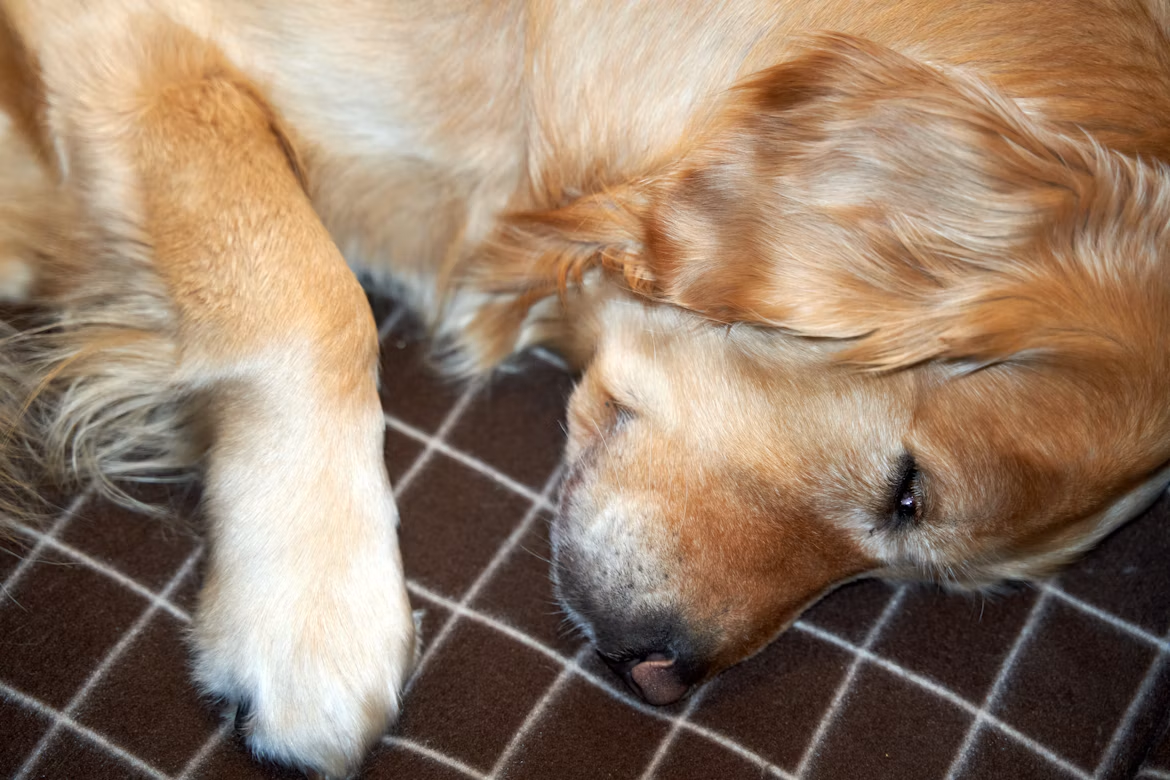
If you are watching your pet obsessively drag their tongue across your upholstery, you are likely wondering: why is my dog licking the couch suddenly?
A dog keeps licking furniture obsessively for one of three primary reasons: a medical issue (such as nausea or gastrointestinal discomfort), a psychological trigger (like stress or boredom), or an environmental factor (such as spilled food or lingering scents). Because sudden behavior changes often point to underlying physical discomfort, any new, frantic licking habit warrants a close look at your dog’s health.
Here is a complete breakdown of why dogs lick furniture and how you can safely redirect the behavior.
Medical Reasons for Sudden Couch Licking
When a dog develops a new, compulsive habit overnight, a physical ailment is often the culprit. Veterinarians refer to this as Excessive Licking Behavior (ELS), and it is frequently tied to the digestive system.
Gastrointestinal (GI) Distress and Nausea
The most common medical cause of sudden licking is an upset stomach in dogs. When a dog feels nauseous, licking serves as a physical response to excess saliva production. If you notice your dog licking lips and swallowing repeatedly before turning their attention to the couch or carpet, they are likely experiencing GI discomfort.
Common GI triggers include:
- Canine acid reflux / heartburn: Stomach acid moving into the esophagus causes irritation, prompting the dog to swallow and lick to soothe the burning sensation.
- Dietary indiscretion: Eating something outside their normal diet that disrupts their digestion.
- Inflammatory bowel disease (IBD) or chronic pancreatitis.
Dental Pain and Oral Discomfort
A cracked tooth, periodontal disease, or a foreign object stuck in the gums can cause severe oral discomfort. Dogs often lick nearby surfaces as a way to cope with mouth pain. Check your dog’s gumline for redness, swelling, or bleeding.
Canine Cognitive Dysfunction and Neurological Issues
Sudden excessive licking in older dogs is sometimes linked to Canine Cognitive Dysfunction (dog dementia). As a dog ages, neurological issues can cause confusion, memory loss, and repetitive behaviors. An older dog might lick the couch simply because their brain is sending misfiring signals, or because they are disoriented and trying to comfort themselves.
Pica and Nutritional Deficiency
Pica is a condition where a dog develops a craving for non-food items. While it usually results in eating dirt or chewing drywall, it can manifest as licking fabric. In some cases, this points to a nutritional deficiency, a parasite, or an inability to properly absorb nutrients from their current food.
Behavioral and Psychological Triggers
If a vet checkup clears your dog of physical ailments, the licking is likely rooted in their mental or emotional state.
Stress and Self-Soothing Mechanisms
Licking releases endorphins in a dog’s brain. If your dog is experiencing separation anxiety, fear of loud noises (like thunderstorms), or adjusting to a new family member, licking acts as a built-in self-soothing mechanism. The couch is often chosen because it is heavily saturated with your scent, which provides additional comfort.
Canine Compulsive Disorder (CCD)
Similar to OCD in humans, Canine Compulsive Disorder (CCD) drives dogs to perform repetitive actions they cannot easily stop. Obsessive-compulsive behavior can manifest as shadow chasing, tail spinning, or relentlessly licking a specific cushion.
Boredom and Understimulation
A bored dog will find a job for themselves, and that job might be cleaning your sofa. High-energy or highly intelligent breeds require significant mental and physical exercise. Without it, boredom and understimulation lead to repetitive behaviors simply to pass the time. Alternatively, if you repeatedly scold them or pull them away from the couch, it can become an attention-seeking habit.
Environmental Factors: The Couch Itself
Sometimes, the answer is not psychological or medical—it is right there on the fabric.
- Food crumbs and spills on upholstery: Even if you wiped up a spilled drink weeks ago, your dog’s highly sensitive nose can still detect the lingering scents or odors deep within the fibers.
- Salty sweat on fabric: If you frequently lie on a specific spot after a workout, your dog may be licking up the salty residue left behind.
- Textural preferences: Some dogs simply enjoy the abrasive feeling of certain fabrics on their tongue, akin to grooming themselves.
How to Stop a Dog From Licking the Couch
Interrupting the behavior requires addressing the root cause rather than just scolding the dog. Here is a practical approach to dog behavior modification for excessive licking:
1. Consult a Veterinarian
Because ELS is so closely tied to gastrointestinal issues, scheduling a vet checkup is the non-negotiable first step. Your vet can rule out nausea, acid reflux, or pain, and may recommend dietary changes for dogs with sensitive stomachs.
2. Introduce Boredom Busters
If the licking stems from boredom or anxiety, redirect their tongue to something appropriate. Give them healthy outlets for licking, such as:
- Lick mats: Spread peanut butter or plain yogurt on a textured silicone mat and freeze it.
- Puzzle toys: Keep their brain engaged with treat-dispensing toys.
- Safe chews: Provide high-quality chew bones to redirect their oral fixation.
3. Manage the Environment
While working on the underlying cause, you can deter the behavior using safe, temporary barriers.
- Clean the upholstery: Deep clean the sofa with an enzyme cleaner to remove hidden food odors or sweat.
- Use anti-lick sprays: A light misting of a pet-safe bitter apple spray on the target area leaves a terrible taste without ruining most fabrics (always spot-test first).
- Restrict access: Simply close the door to the living room or use baby gates when you cannot actively supervise your dog.
4. Manage Stress Triggers
Identify and reduce stress triggers in dogs prone to anxiety. If the licking happens when you leave the house, they may benefit from an anxiety wrap (like a Thundershirt), calming treats, or a white noise machine to block outside stressors.
Frequently Asked Questions
Why do dogs lick the sofa or carpet instead of their toys?
Couches and carpets act as giant sponges for smells. They trap food crumbs, human sweat, and outdoor scents tracked in on shoes. Furthermore, couches smell intensely like the dog’s owners, making them a prime target for anxious dogs looking to self-soothe through scent and texture.
When should I worry about excessive licking behavior?
You should contact a vet immediately if the sudden licking is accompanied by vomiting, diarrhea, lethargy, loss of appetite, or signs of pain. If the dog is licking the air, swallowing heavily, and licking furniture frantically, they are likely experiencing severe nausea or acid reflux that requires medical relief.
Conclusion
Figuring out exactly why your dog is licking the couch suddenly requires a brief process of elimination. Start by observing when the licking happens. Does it occur right after meals? Do they lick their lips and swallow hard beforehand? If so, prioritize a vet visit to rule out a GI tract issue. If their health is perfect, focus on deep cleaning the upholstery, increasing their daily exercise, and redirecting their natural urge to lick onto puzzle toys and frozen lick mats. By addressing the root cause, you can keep your dog comfortable and save your furniture in the process.