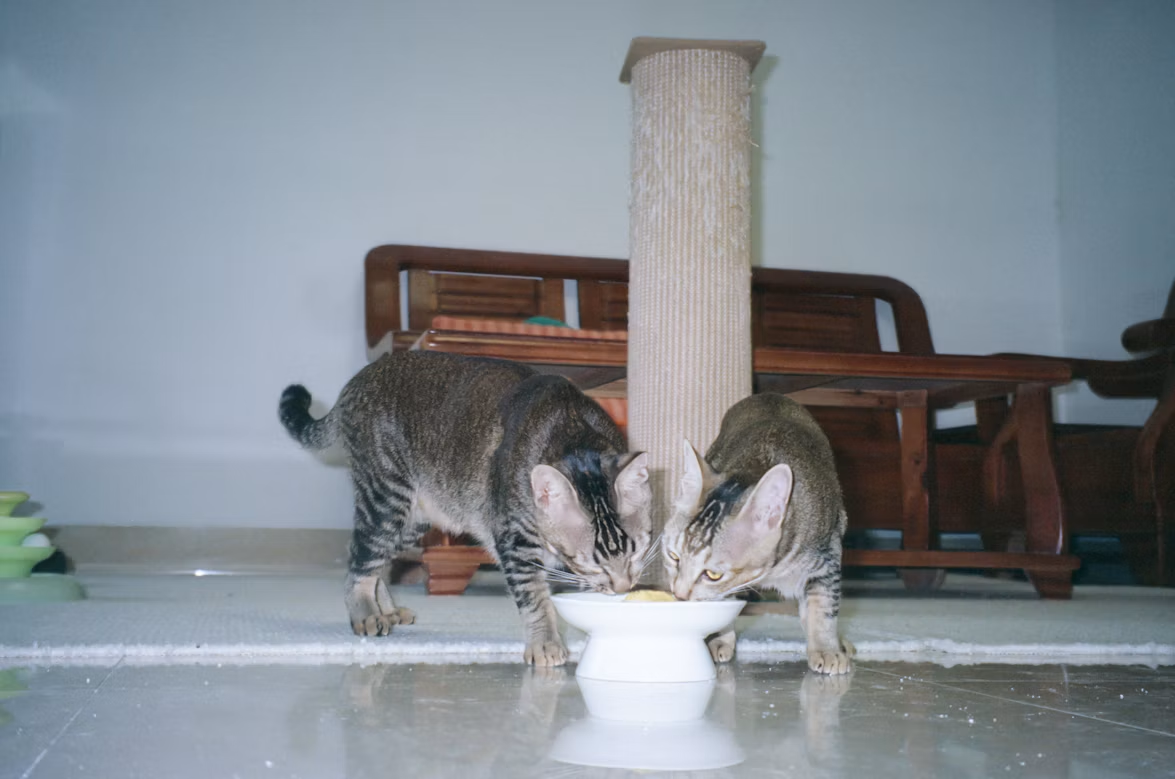
Indoor cats live safe, comfortable lives, but their lounging lifestyle comes with specific nutritional challenges. Without trees to climb or neighborhood territories to patrol, indoor cats burn significantly fewer calories than their outdoor counterparts. They also spend more time grooming, which increases the likelihood of hairballs.
The best cat food for indoor cats is specifically formulated to address these differences. It should provide high-quality animal protein to maintain lean muscle, controlled calorie levels to prevent obesity, and natural fiber to help hairballs pass smoothly through the digestive tract.
Whether you are looking for the best dry cat food for convenience or highly rated wet foods for hydration, choosing the right diet comes down to understanding your cat’s unique biological needs and knowing how to read a pet food label.
Why Indoor Cats Need Different Food
Feeding an indoor cat the same high-calorie diet designed for an active, mousing outdoor cat is a quick recipe for feline obesity. When evaluating cat food ratings and comparing brands, look for formulas that address these three core indoor challenges:
- Weight Management: Indoor cats require roughly 20% fewer calories. Good cat food for indoor cats will have slightly lower fat content and moderate carbohydrates to prevent weight gain.
- Hairball Control: Because indoor cats are not exposed to seasonal temperature shifts in the same way, they often shed year-round. Top-rated cat food for indoor cats includes specific dietary fibers (like cellulose or beet pulp) to help move swallowed hair through the gut.
- Litter Box Odor: Many indoor cat formulas include ingredients like yucca schidigera extract, which helps reduce the smell of your cat’s waste—a major benefit when the litter box is inside your home.
[Image Suggestion: A clear infographic or split photo showing the difference in daily activity levels between an indoor cat sleeping on a sofa and an outdoor cat jumping, highlighting the need for calorie control.]
Comparing Cat Food: Wet vs. Dry Options
One of the most common debates among pet owners is whether to feed wet or dry food. Both have distinct advantages, and the healthiest approach is often a combination of the two.
The Case for Wet Cat Food
Vets consistently rank high-quality wet cat food as excellent for feline health. Cats naturally have a low thirst drive because their wild ancestors got most of their moisture from prey.
Benefits of wet food:
- High Moisture Content: Usually 70–80% water, which helps prevent urinary tract infections (UTIs) and kidney issues.
- Higher Protein, Lower Carbs: Canned cat food typically mimics a cat’s natural carnivorous diet better than kibble.
- Weight Loss Friendly: The extra water volume helps your cat feel full without adding calories.
The Case for Dry Cat Food
While wet food offers superior hydration, finding the best dry cat food is still a priority for many owners due to its convenience and cost-effectiveness.
Benefits of dry food:
- Convenience: Kibble can be left out for a few hours without spoiling, making it easier for owners who work long shifts.
- Cost: Dry cat food brands are generally more budget-friendly than canned options.
- Interactive Feeding: Kibble is ideal for use in puzzle feeders or treat balls, which forces your indoor cat to “hunt” for their food and burn extra calories.
Quick Comparison Chart
| Feature | Wet Cat Food | Dry Cat Food |
|---|---|---|
| Moisture Level | High (70-80%) | Low (5-10%) |
| Carbohydrate Content | Generally Low | Moderate to High (needed for kibble shape) |
| Cost | Higher per meal | Lower per meal |
| Convenience | Must be refrigerated after opening | Easy to store; can be left in puzzle feeders |
| Best For | Hydration, urinary health, weight loss | Budget, convenience, automated feeders |
How to Identify High-Quality Cat Food Brands
With hundreds of cat food brands on the market in the UK and USA, relying entirely on marketing labels can be misleading. To find the best quality cat food, you have to look at the ingredient list and the nutritional guarantee.
1. Look for Named Animal Proteins
Cats are obligate carnivores. They require nutrients found exclusively in animal tissue, such as taurine. The first ingredient on any top cat food brand should be a named meat source—like chicken, turkey, salmon, or beef. Avoid brands that list vague terms like “meat and bone meal” or “poultry by-product,” as the exact source and quality of the protein are unknown.
2. Check for Nutritional Adequacy Standards
In the US, look for a statement on the label that the food meets the nutritional levels established by AAFCO (Association of American Feed Control Officials). In the UK, reputable brands will formulate their diets in line with FEDIAF guidelines. This ensures the food provides a complete and balanced diet rather than just being a supplemental treat.
3. Avoid Unnecessary Fillers and Artificial Additives
The worst cat food brands often rely heavily on cheap carbohydrate fillers like corn, wheat, or soy to bulk up the food. While some healthy grains (like brown rice or oatmeal) are fine for most cats, a diet overloaded with refined carbs can lead to diabetes and obesity. Additionally, avoid foods with artificial colors; cats do not care what color their food is, so these dyes are added purely to appeal to human buyers.
[Image Suggestion: A close-up, top-down shot of a cat owner’s hands reading the back of a cat food bag, specifically pointing at the ingredients list.]
Common Feeding Mistakes to Avoid
Even the highest-quality premium cat food won’t keep your indoor cat healthy if it is fed incorrectly.
Free-Feeding Kibble Leaving a bowl full of dry food out all day (free-feeding) is the leading cause of obesity in indoor cats. Because they do not have to work for their food, bored cats will often eat simply because the bowl is there. Instead, measure out daily portions based on your cat’s target weight and feed them in 2 to 3 distinct meals.
Ignoring Portion Guidelines The feeding guidelines on the back of the bag are usually based on highly active, un-neutered cats. Most spayed or neutered indoor cats require fewer calories than the bag suggests. Consult your vet to determine exactly how many calories your specific cat needs.
Frequently Asked Questions
What is the healthiest cat food for indoor cats?
The healthiest diet is one that is high in moisture, rich in named animal proteins, and low in unnecessary carbohydrates. Many veterinarians recommend a diet comprised mostly of high-quality wet food, supplemented with a small amount of premium dry indoor cat food for grazing or puzzle toys.
Are cheap cat food brands bad for my cat?
Not all budget-friendly options are bad, but the absolute cheapest brands often substitute healthy meats with plant-based proteins, vague meat by-products, and artificial preservatives. Over time, a poor diet can lead to expensive veterinary bills for issues like diabetes, obesity, or urinary blockages.
Should I feed my indoor cat grain-free food?
Grain-free food is not strictly necessary unless your cat has a diagnosed allergy to a specific grain (which is rare; cats are more frequently allergic to proteins like chicken or beef). What matters more than the presence of grains is the total carbohydrate content of the food.
How do I switch my cat to a new food?
Cats have sensitive stomachs and can be notorious picky eaters. Always transition to a new food slowly over 7 to 10 days. Start by mixing 25% of the new food with 75% of the old food, gradually increasing the new food’s proportion every couple of days until the transition is complete.
Conclusion
Finding the best cat food for indoor cats involves balancing high-quality animal proteins with calorie and hairball management. While there is no single “perfect” brand for every cat, prioritizing wet food for hydration, choosing dry food with named meat ingredients, and strictly measuring daily portions will dramatically improve your cat’s long-term health.
Take a moment to read the ingredient label on your cat’s current food. If the primary ingredients are generic meals or heavy carbohydrate fillers, it might be time to transition to a higher-quality option that better supports their indoor lifestyle.