
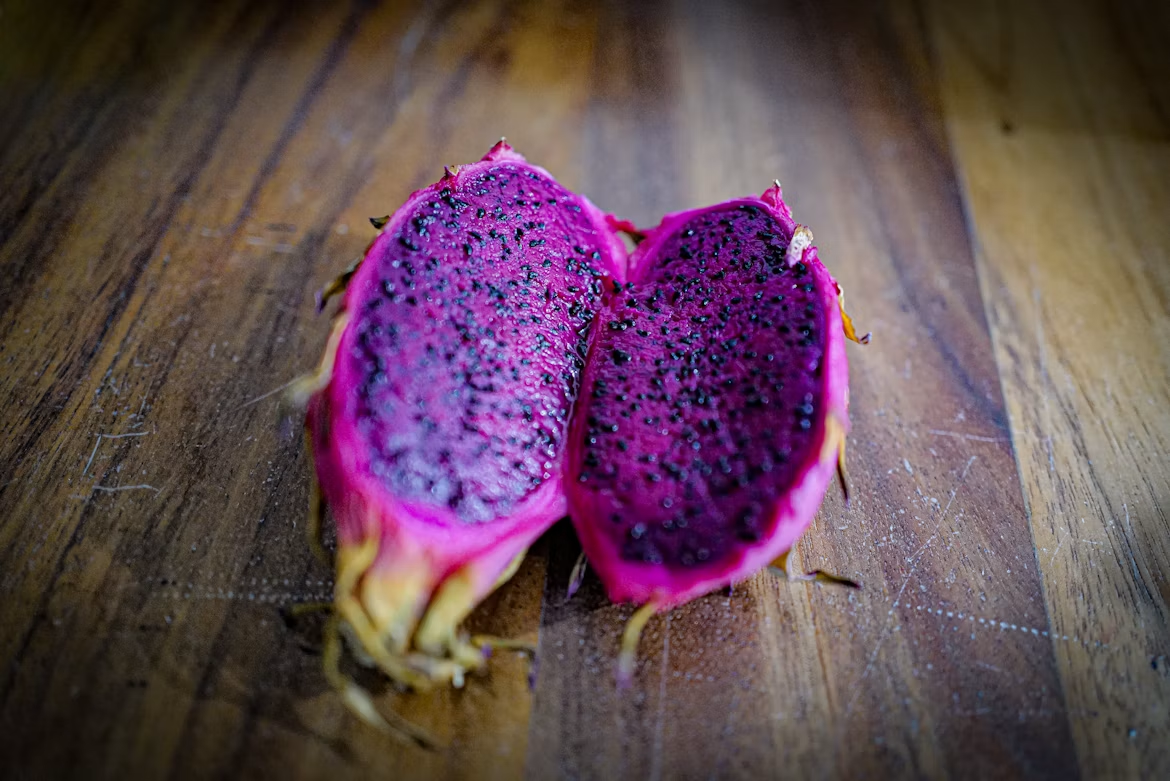
Yes, dogs can eat dragon fruit safely. The flesh of this tropical fruit is non-toxic to dogs and can be a healthy, occasional treat. However, you must completely remove the tough, spiky skin before feeding it to your pet, as the rind is difficult to digest and presents a choking hazard.
While sharing exotic fruits for pets can be a great way to provide extra nutrients, moderation is key. A few small bites are enough for most dogs. Too much of this high fiber dog snack can lead to an upset stomach.
Here is what you need to know about preparing this fruit, the differences between varieties, and what to watch out for if your dog sneaks a bite of the skin.
The Health Benefits of Dragon Fruit for Dogs
Dragon fruit (also known as pitaya) is packed with nutrients that can supplement a balanced canine diet. Because it is nutrient-dense and low in calories, it serves as an excellent alternative to processed commercial treats.
Key nutritional benefits include:
- High moisture content: Helps keep your dog hydrated, especially during warmer months.
- Vitamin C: Supports a healthy immune system and can help reduce inflammation.
- Fiber: Aids in healthy digestion and regular bowel movements.
- Antioxidants: Helps neutralize free radicals, supporting long-term cellular health.
- Calcium and Iron: Contributes to strong bones and healthy blood oxygen levels.
While dragon fruit is a nutritious addition, it should never replace your dog’s primary, balanced dog food. Treat it strictly as a supplement.
White, Pink, and Yellow Varieties: Are They All Safe?
If you are browsing the produce aisle, you will likely encounter a few different types of pitaya. The good news is that all of the common flesh and skin color combinations are perfectly fine for your dog to consume.
- Can dogs eat pink dragon fruit? Yes. The vibrant magenta flesh is completely safe and rich in antioxidants.
- Can dogs eat yellow dragon fruit? Yes. The yellow-skinned variety with white flesh is often sweeter than the pink types, making it a very appealing treat for dogs. Just remember that higher sugar content means you should feed it sparingly.
- Are dragon fruit seeds safe for dogs? Yes. Unlike apple seeds or cherry pits, the tiny black seeds scattered throughout the flesh are soft, non-toxic, and easy for your dog to digest.
How to Cut Dragon Fruit for Dogs
Safely introducing new foods to dogs requires proper preparation. The flesh is soft and easy to chew, but it needs to be portioned correctly to prevent a choking hazard for dogs, especially small breeds.
Follow these steps for safe preparation:
- Slice the fruit in half: Cut straight down the middle of the fruit.
- Scoop out the flesh: Use a spoon to separate the soft inner flesh from the tough outer rind. Discard the rind immediately where your dog cannot reach it.
- Chop into bite-sized pieces: Cut the scooped flesh into small, manageable cubes. For small dogs, aim for pieces no larger than a blueberry.
- Serve plain: Never add sugar, syrups, or spices.
Can Dogs Eat Frozen Dragon Fruit?
Yes, frozen dragon fruit makes a fantastic, refreshing treat on a hot day. The texture is soothing for teething puppies, making it a great option if you are wondering if puppies can eat dragon fruit safely. You can freeze fresh cubes yourself or buy pre-frozen chunks from the grocery store—just check the ingredient label to ensure there is no added sugar or xylitol (an artificial sweetener highly toxic to dogs).
Risks: Is Dragon Fruit Skin Poisonous to Dogs?
The flesh is safe, but the skin is a different story. The skin of a dragon fruit is not technically poisonous or toxic, but it is highly problematic for canine digestion.
The rind is leathery, tough, and features small leafy scales. If a dog attempts to swallow the skin, it poses two immediate risks:
- Choking hazard: The stiff, unyielding texture can easily become lodged in your dog’s throat.
- Intestinal blockage: Dogs cannot easily break down the thick rind. If a large piece passes into the stomach, it can cause a dangerous blockage in the digestive tract, which often requires surgical intervention.
My Dog Ate Dragon Fruit Skin: What Should I Do?
If your dog manages to steal the discarded skin, do not panic, but monitor them closely.
If they ate a very small, chewed-up piece, it will likely pass through their system. However, if they swallowed a large chunk or an entire half-rind, contact your veterinarian immediately.
Watch for signs of canine digestive upset or an intestinal blockage over the next 24 to 48 hours, including:
- Vomiting
- Loss of appetite
- Lethargy
- Difficulty defecating or straining
- Abdominal pain or bloating
If you notice any of these symptoms, treat it as a medical emergency.
How Much Dragon Fruit Can a Dog Eat?
Like all fruits dogs can eat, dragon fruit should be given in moderation. Because it is high in fiber, feeding too much at once can overwhelm your dog’s digestive system, resulting in dragon fruit diarrhea in dogs.
Use the 10% rule: treats (including healthy dog treats and fresh fruit) should make up no more than 10% of your dog’s daily caloric intake.
- Small dogs: 1 to 2 small cubes per day.
- Medium dogs: 2 to 3 cubes per day.
- Large dogs: 3 to 4 cubes per day.
When offering it for the very first time, give your dog just one small piece. Wait 24 hours to monitor for any signs of an allergic reaction in dogs, such as itching, swelling, or an upset stomach, before making it a regular part of their diet.
FAQs
Can dogs eat dried dragon fruit?
It is best to avoid dried dragon fruit. The dehydration process concentrates the natural sugars, making it far too sweet for dogs. Many commercially dried fruits also contain added sugars or preservatives that are unhealthy for pets. Stick to fresh or plain frozen chunks.
Can dragon fruit turn my dog’s poop red?
Yes. If you feed your dog the pink-fleshed variety of dragon fruit, the natural pigments can occasionally cause their stool to take on a reddish or pink tint. While this can look alarming, it is usually harmless as long as the dog is acting normally. However, if the stool is bright red and you have not fed them pink fruit, consult your vet to rule out blood in the stool.
Are there other dog-safe tropical fruits?
Yes, there are several other tropical fruits that make safe homemade dog treats when prepared properly. Bananas, mangoes (pit removed), pineapples (core and skin removed), and papayas (seeds and skin removed) are all safe in moderation.
Conclusion
Sharing a bite of your pitaya is a great way to reward your pet. As long as you stick to the soft inner flesh, completely discard the leathery skin, and keep portion sizes small, dragon fruit is a safe, hydrating, and vitamin-packed snack. Whether served fresh or frozen, it is an excellent addition to your list of healthy, dog-safe foods.