
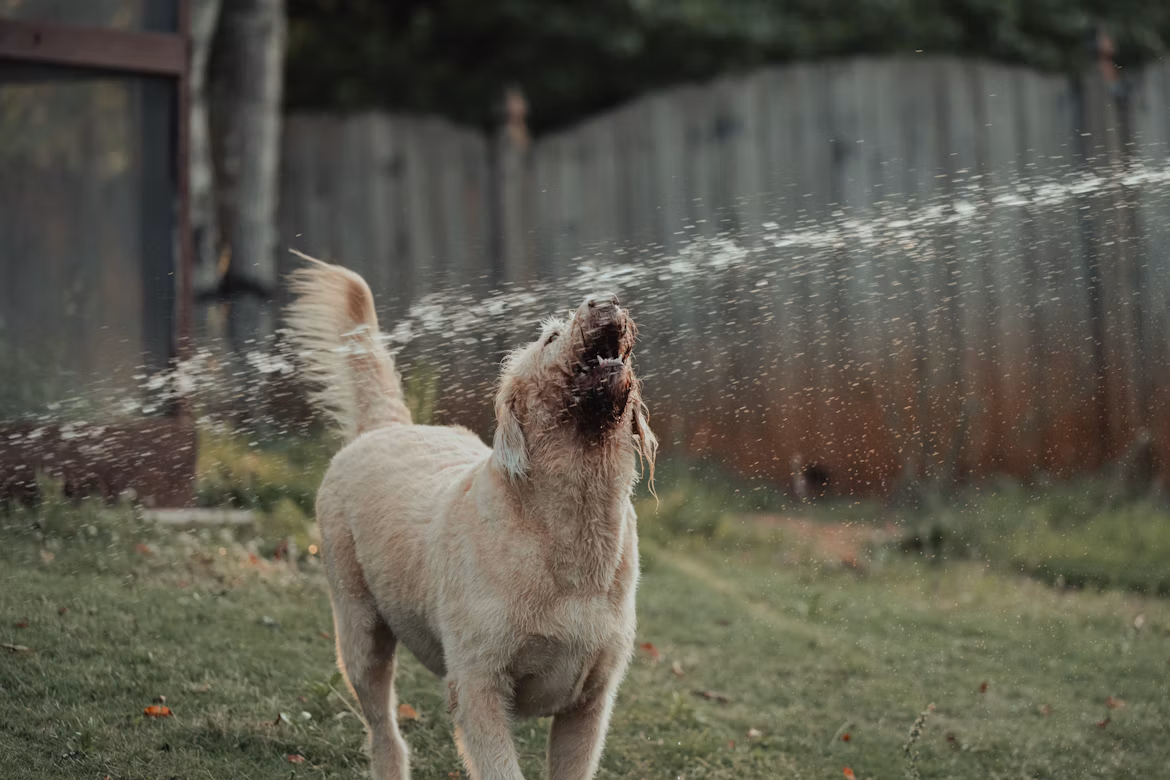
Seeing your dog foaming at the mouth can instantly trigger panic. Thanks to movies and television, most pet owners immediately associate this symptom with rabies. Fortunately, while rabies is a possibility in unvaccinated animals, it is actually one of the rarest causes of a foaming mouth in modern pets.
Dogs produce excess saliva (hypersalivation) for a wide variety of reasons. When a dog pants heavily, breathes rapidly, or moves their jaw, that excess drool mixes with air and turns into foam. The underlying cause can be as harmless as tasting a bitter bug in the garden, or as serious as toxic exposure.
If you are wondering what to do if your dog’s mouth is foaming, the most important first step is to remain calm and assess their overall condition. Here is a clear guide to help you determine why this is happening and whether you need to rush to the emergency vet.
Is Foaming at the Mouth an Emergency?
Not all foaming requires immediate medical intervention, but some situations are critical. You should take your dog to the nearest emergency veterinary clinic immediately if the foaming is accompanied by any of the following “red flag” symptoms:
- Labored breathing: Gasping, wheezing, or pale/blue gums.
- Lethargy or collapse: Severe weakness or inability to stand.
- Neurological signs: Tremors, muscle twitching, seizures, or uncoordinated walking.
- Repeated vomiting: Especially if the dog is foaming at the mouth and vomiting repeatedly without relief.
- Known toxin exposure: If you know your dog recently ate something poisonous (like chocolate, grapes, antifreeze, or pest bait).
If your dog is otherwise acting completely normal, alert, and responsive, the cause is likely benign, though it still requires monitoring.
Common, Non-Emergency Reasons Your Dog is Foaming at the Mouth
If your dog is acting like their usual self, one of these minor issues is likely the culprit.
Intense Physical Activity
It is incredibly common to see a dog foaming at mouth while playing. When dogs run, fetch, or wrestle vigorously, they pant heavily to cool down. This rapid breathing churns their natural saliva into a thick, white foam that gathers around their lips. If your dog is simply tired from playing and is otherwise healthy, offer them fresh water and a cool place to rest. The foaming should subside as their breathing returns to normal.
Tasting Something Bitter or Unpleasant
Dogs explore the world with their mouths. If your dog licks a toad, eats a foul-tasting bug (like a stink bug), or chews on a bitter weed, their body’s natural reaction is to produce massive amounts of saliva to flush the bad taste away. This can quickly turn into a messy foam.
Nausea and Motion Sickness
Just like humans, dogs can feel nauseous, which triggers the salivary glands to overproduce. If your dog is foaming from the mouth during a car ride, they are likely experiencing motion sickness. Nausea can also happen if they ate their food too quickly or have a mild upset stomach.
Stress and Anxiety
Severe anxiety can cause excessive drooling and panting. Dogs that are terrified of thunderstorms, fireworks, or trips to the vet may pant so aggressively that foam builds up around their muzzle.
Serious Causes That Require Veterinary Attention
When foaming cannot be explained by play or a bad taste, a medical issue is likely to blame.
Toxin Exposure and Poisoning
Poisoning is one of the most urgent causes of hypersalivation. Household cleaners, toxic plants, human medications, pest poisons, and certain human foods can cause a severe reaction. Toxic exposure often presents with a combination of symptoms, most notably a dog foaming at the mouth and vomiting, alongside diarrhea, lethargy, or tremors.
Seizures and Neurological Issues
During a focal or grand mal seizure, a dog loses control of their bodily functions, including swallowing. They may continuously champ their jaws, churning their saliva into a thick foam. If your dog is experiencing a seizure, clear the area of hard objects to prevent injury, keep your hands away from their mouth, and contact a vet immediately.
Dental Disease or Oral Injuries
A localized problem inside the mouth can lead to excessive drooling and foaming. Broken teeth, severe periodontal disease, mouth tumors, or foreign objects (like a stick lodged in the roof of the mouth) cause pain and prevent normal swallowing. If your dog is pawing at their face alongside the foaming, an oral examination by a vet is necessary.
Rabies and Infectious Diseases
While rare in regions with strict vaccination laws, rabies is fatal and causes the throat muscles to paralyze, making swallowing impossible. This results in the classic “foaming at the mouth” symptom. Other infectious viral diseases, such as canine distemper or pseudorabies, can also cause severe neurological symptoms and foaming.
What to Do If Your Dog Is Foaming at the Mouth
If you are faced with this situation, follow these practical steps:
- Assess the Situation: Look at the whole dog, not just the foam. Are they struggling to breathe? Are they seizing? If yes, go to the vet immediately.
- Check their Surroundings: Look around the immediate area. Is there a chewed-up bottle of cleaner, an empty medication wrapper, or a destroyed toxic plant nearby? Take a photo of any suspected toxins to show the vet.
- Offer Water (Cautiously): If the dog is alert, responsive, and simply seems to have a bad taste in their mouth, offer a bowl of fresh water to help flush it out. Never force water into a dog’s mouth, especially if they are lethargic or seizing, as this can cause them to inhale the water into their lungs.
- Wipe the Mouth: Use a damp, soft cloth to gently wipe away the foam if the dog is calm and allowing you to touch them.
- Call for Advice: If you are unsure, call your local veterinarian or an animal poison control center. Describe the symptoms, when they started, and what the dog was doing just before the foaming began.
Specific Symptoms to Watch For
The context of the foaming can tell you a lot about the underlying cause.
Dog Foaming at the Mouth and Vomiting
This combination is a classic sign of severe gastrointestinal distress or poisoning. While an isolated incident of vomiting foam (often called bilious vomiting syndrome, occurring when a dog’s stomach is completely empty) might not be a crisis, repeated vomiting accompanied by active mouth foaming requires professional evaluation to rule out toxins or intestinal blockages.
Dog Nose Foaming
If you see a dog nose foaming, this is highly unusual and often points to a respiratory issue rather than an oral one. Foam or bubbly fluid coming from the nostrils can be a sign of severe respiratory distress, pulmonary edema (fluid in the lungs), or near-drowning. This is always a medical emergency.
Puppy Foaming at the Mouth
A puppy foaming at the mouth should be treated with heightened caution. Puppies are notorious for chewing on things they shouldn’t, increasing their risk of poisoning, choking, and oral injuries. Additionally, their immune systems are still developing, making them more vulnerable to infectious diseases. Always consult a vet if a puppy exhibits unexplained hypersalivation.
Frequently Asked Questions
Why is my dog foaming at the mouth after eating grass?
Dogs often eat grass to induce vomiting when their stomach feels upset. The coarse texture of the grass, combined with nausea, can cause them to drool excessively and foam at the mouth before and after throwing up.
Can a dog foam at the mouth just from being too hot?
Yes. Dogs cool themselves primarily by panting. If a dog is overheating, they will pant rapidly, which churns their saliva into foam. If you suspect heatstroke, move the dog to a cool environment, offer water, and seek emergency veterinary care, as heatstroke can be fatal.
How can I tell if the foaming is caused by a seizure?
During a seizure, the dog will usually experience an altered state of consciousness. They may fall over, paddle their legs as if swimming, exhibit severe muscle tremors, or urinate/defecate on themselves. Foaming from play or a bad taste will not be accompanied by these neurological symptoms.
Conclusion
A dog foaming at mouth is a symptom, not a specific disease. While it is easy to assume the worst, context is everything. If your dog was just enthusiastically chasing a ball or licked a bitter toad in the yard, a little foam is a normal physiological reaction. However, if the foaming is paired with vomiting, lethargy, difficulty breathing, or neurological signs, it is time to act fast.
When in doubt about what to do if your dog is foaming at the mouth, always err on the side of caution. A quick phone call to your veterinarian or local animal poison control center can give you peace of mind and ensure your pet gets the immediate care they need.
Sources / References
- ASPCA Animal Poison Control Center (APCC): General guidance on recognizing signs of pet toxicity, including hypersalivation and gastrointestinal distress.
- American Veterinary Medical Association (AVMA): Information regarding canine infectious diseases, rabies symptoms, and emergency veterinary care indicators.
- Merck Veterinary Manual: Clinical guidelines on hypersalivation (ptyalism), neurological disorders, and toxin exposure in canines.